

Investigator Insights
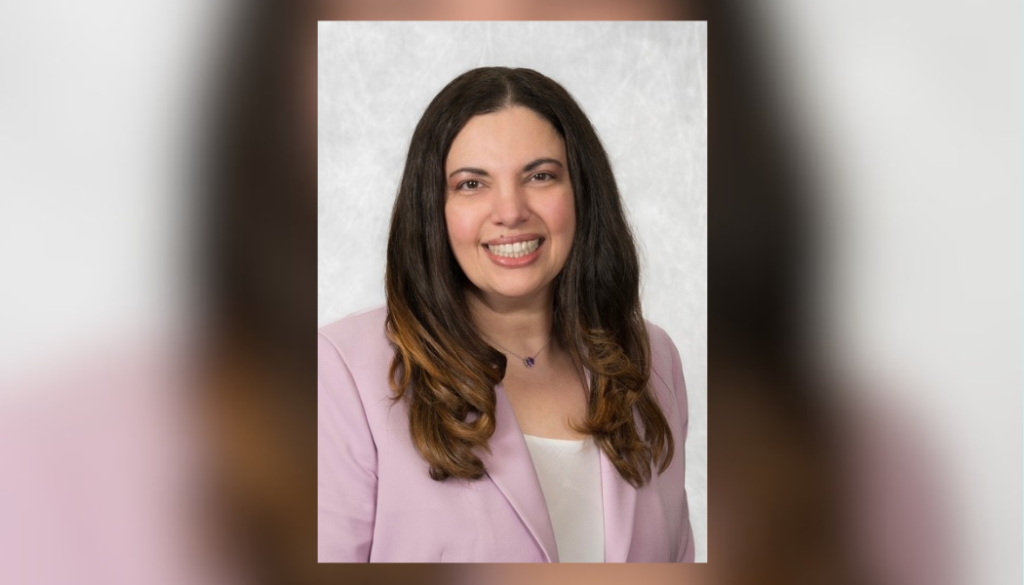
Dr. Nageatte Ibrahim
Research Director, Developmental Therapeutics/Immuno-Oncology
Oncology Research Division
Q: How did you become interested in this disease or condition or area?
My passion for oncology began with a desire to make a meaningful difference in the lives of patients facing some of the most challenging diagnoses. Early in my career, I was struck by the enormous gap between our understanding of cancer biology and the treatments we could offer patients. I was particularly drawn to melanoma, a disease that historically had very limited treatment options for patients with advanced disease. I saw both a challenge and an opportunity to help change that landscape through innovative clinical research and the development of new therapies.
Over the past two decades, I have had the privilege of working at the intersection of patient care, scientific discovery and global drug development. My career has taken me from caring for patients to helping lead the development of therapies that have transformed the treatment of cancer worldwide. Today, at HonorHealth Research Institute, I have the unique opportunity to bring that experience full circle — translating scientific innovation into clinical trials and bringing promising new therapies directly to patients. What continues to inspire me is the possibility that the next discovery we make could fundamentally change someone’s life.
Q: Please highlight your most important research advance or advances:
One of the most rewarding aspects of my career has been contributing to the development of therapies that fundamentally changed the treatment of melanoma and helped shape modern cancer care. At GlaxoSmithKline, I worked on the development of dabrafenib and trametinib, a combination of targeted therapies for patients with BRAF-mutated melanoma. This represented an important advance in precision oncology, demonstrating how understanding the molecular drivers of cancer could lead to more effective treatments.
At Merck, I had the privilege of playing a leadership role in the clinical development of pembrolizumab (Keytruda), including the landmark KEYNOTE-006 trial, which helped establish PD-1 inhibition as a cornerstone of melanoma treatment. I also contributed to expanding immunotherapy into other cancers and advancing biomarker-driven approaches, including tumor mutational burden as a potential predictor of response to immunotherapy. These advances helped usher in a new era of oncology, in which we could harness the patient’s own immune system to fight cancer and achieve durable responses that were previously unimaginable. For me, the greatest measure of scientific success is not simply a regulatory approval or a published study, but seeing patients live longer, return to their families and regain hope for the future.
Q: What research would you like to conduct in the future; what remains an unmet need for patients?
Despite remarkable advances in immunotherapy, many patients still do not respond to treatment, while others eventually develop resistance. One of my highest research priorities is understanding and overcoming resistance to immune checkpoint inhibitors, particularly in patients whose cancers progress despite PD-1-based therapies. I am especially interested in developing rational combinations of novel immunotherapies, targeted agents and immune-modulating therapies that can restore or enhance anti-tumor immune responses. Another major focus is advancing cellular therapies for solid tumors, including tumor-infiltrating lymphocyte therapies and next-generation engineered T-cell approaches. Although cellular therapies have revolutionized the treatment of certain blood cancers, realizing their full potential in solid tumors remains one of the most important challenges and opportunities in oncology.
At HonorHealth Research Institute, my vision is to build a robust developmental therapeutics and translational research program that brings innovative treatments to patients across multiple cancer types. This includes advancing first-in-human and early-phase clinical trials, identifying biomarkers that predict treatment response or resistance, and developing personalized treatment strategies based on each tumor’s unique molecular and immunologic characteristics. I am also passionate about moving effective therapies earlier in the course of disease, when the potential for long-term remission or cure may be greatest. Ultimately, my goal is to help bridge the gap between scientific discovery and clinical practice, accelerating the development of treatments that not only extend survival but also improve patients’ quality of life.
Q: Why is it important to encourage younger individuals from diverse backgrounds to pursue this research; and what advice would you give them?
Cancer is a complex global challenge, and solving it requires diverse perspectives, experiences and ways of thinking. Some of the greatest advances in medicine occur when people from different scientific disciplines, cultures and backgrounds come together to challenge conventional approaches. Encouraging young people, particularly those who may not traditionally see themselves represented in science or medicine, is essential in fostering innovation and ensuring that scientific progress benefits patients from all communities.
My advice to the next generation of researchers is to remain curious, think boldly and never be afraid to challenge what is considered possible. Scientific discovery rarely follows a straight path, and perseverance is just as important as knowledge. Seek mentors who inspire you, surround yourself with people who challenge your thinking, and embrace opportunities to collaborate across disciplines. Above all, never lose sight of the patients and families behind the science. Throughout my career, I have learned that meaningful progress requires not only scientific excellence but also compassion, resilience and the courage to pursue ideas that have the potential to change lives.
Q: What recent research breakthroughs are you most excited about?
One of the most exciting developments in oncology is the emergence of personalized cancer vaccines, which represent a promising new frontier in immunotherapy. Before joining HonorHealth Research Institute, I had the opportunity to work at Merck on the phase 3 INTerpath-001 clinical trial, conducted in collaboration with Moderna, evaluating the individualized neoantigen therapy intismeran autogene (V940/mRNA-4157) in combination with pembrolizumab for patients with high-risk melanoma following surgery. This innovative approach uses genetic information from an individual patient’s tumor to create a personalized mRNA-based therapy designed to train the immune system to recognize and attack cancer cells. Encouraging results from earlier clinical studies demonstrated the potential to reduce the risk of melanoma recurrence, while ongoing phase 3 research seeks to confirm its clinical benefit.
What excites me most is that we are moving toward an era in which cancer treatment can be designed around the unique biology of each patient’s tumor. Personalized cancer therapies, together with advances in cellular therapies for solid tumors, next-generation immunotherapies and biomarker-driven treatment strategies, have the potential to transform how we treat cancer, overcome resistance and prevent recurrence. Having spent much of my career helping develop therapies that became standards of care, I am particularly excited to now help bring the next generation of discoveries directly to patients through clinical research at HonorHealth Research Institute. I believe the convergence of precision medicine, immunotherapy and cellular therapy will define the next major chapter in oncology — and bring us closer to achieving more durable responses and, ultimately, more cures.
The video below explains how this personalized cancer therapy is tailored to an individual patient’s tumor and what this exciting approach could mean for treating melanoma and other cancers in the future.
Video link: https://honorhealth.wistia.com/s/okkbq3opy6v12aa